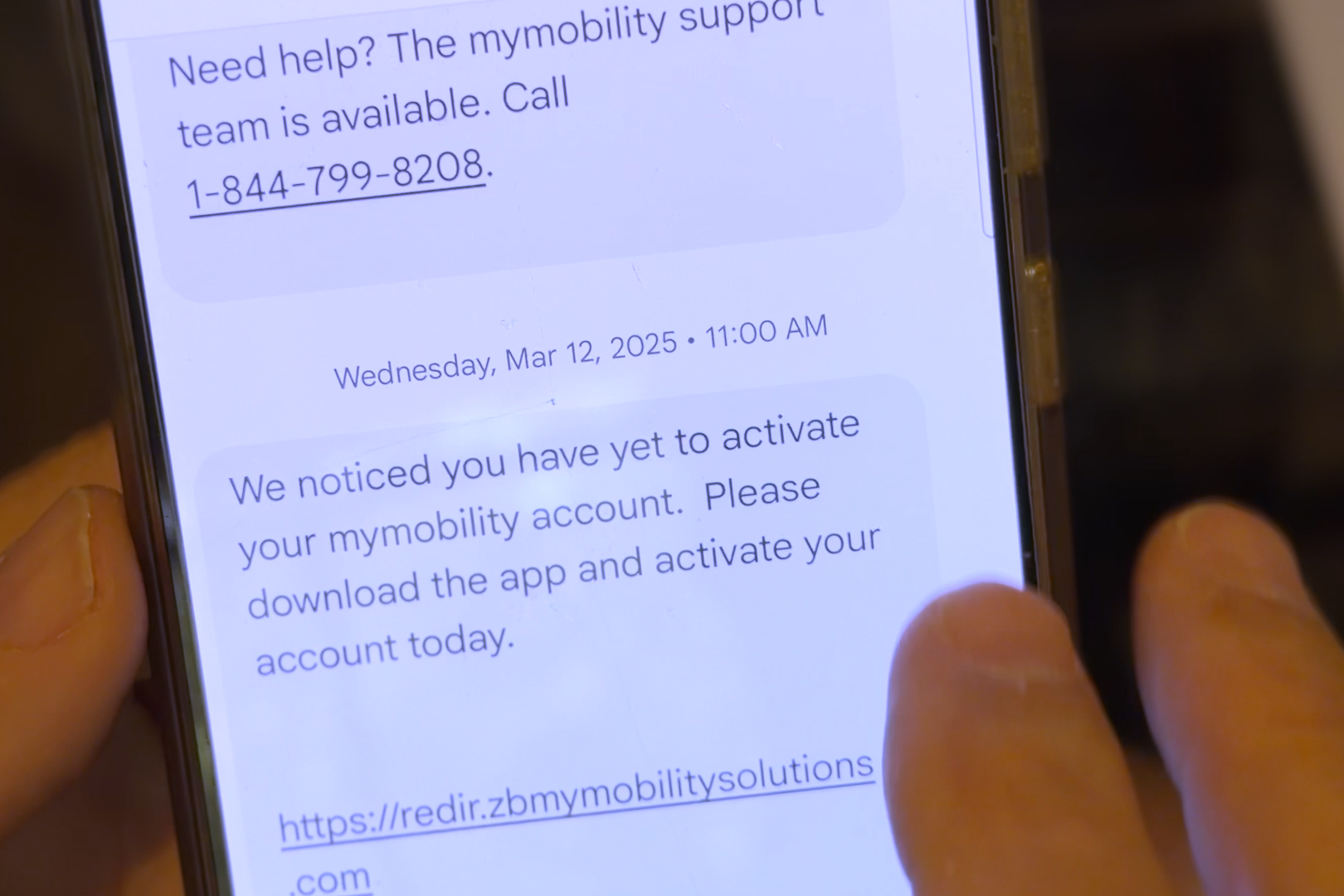
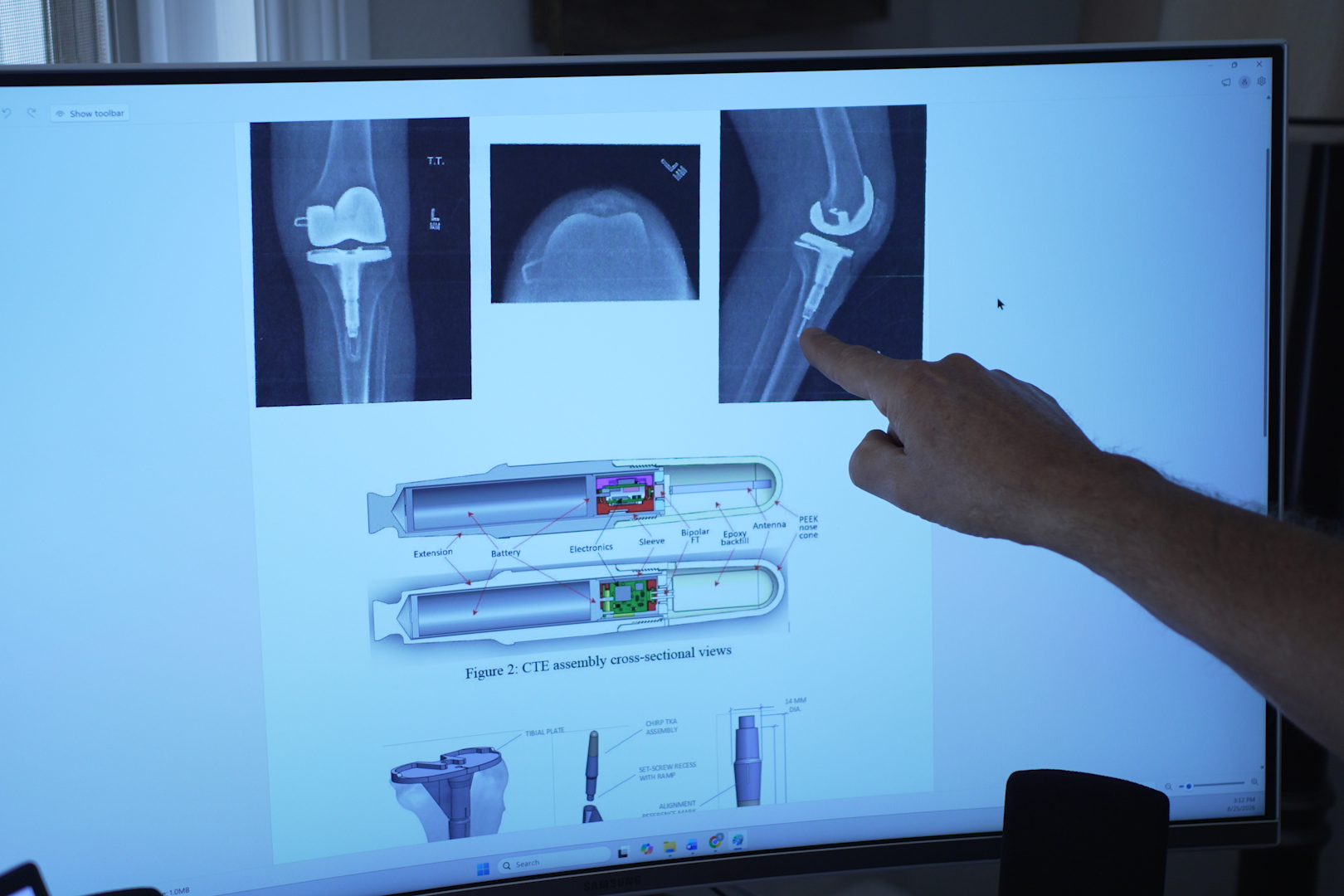
A KFF Health News investigation found that connected smart knees and related remote monitoring are increasing health care costs and prompting informed consent lawsuits when devices are implanted without patients’ knowledge. After undergoing knee replacement, 70-year-old Steve Russak learned that he had received a Persona IQ implant with a lithium battery, sensors, and a transmitter. He is being sued by his doctors, Zimmer Biomet, and Canary Medical because patients were not adequately informed of the device’s data-collection functions; the case is scheduled for trial in December. In 2024, Medicare provided remote patient monitoring services to nearly 1 million beneficiaries and paid health care providers $536 million. About 43% of the relevant patients did not receive the full set of services required under the program, and regulators have also warned of fraud risks. Zimmer Biomet says data transmission requires patient authorization and that nearly 90% of relevant patients would choose orthopedic devices with remote monitoring capabilities again. However, its materials also state that the implant is not intended to support clinical decision-making and has not demonstrated clinical benefit.
Source:KFF Health News · Read Original