Author: Campion

  • Plant Cells vs. Animal Cells: A Fun Comparison

    Plant Cells vs. Animal Cells: A Fun Comparison

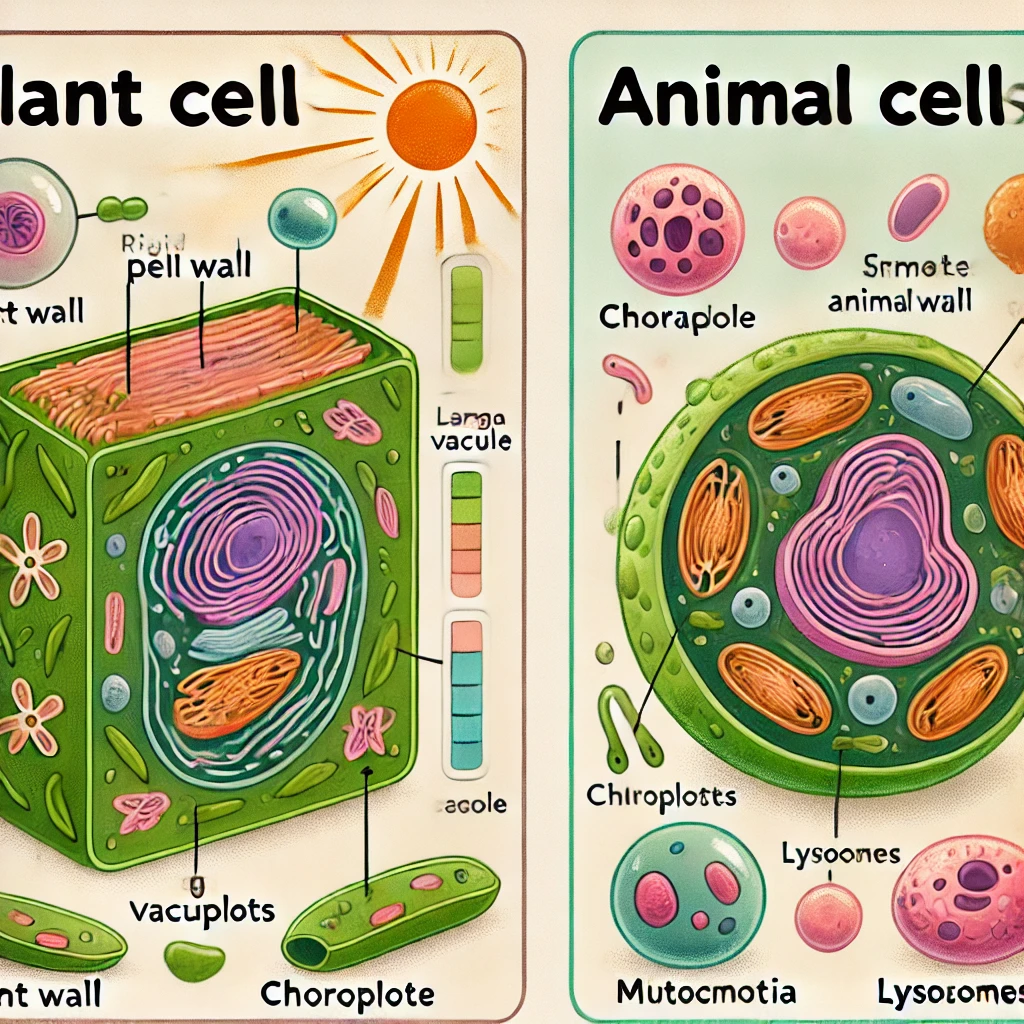
    Imagine plant cells and animal cells as two different styles of “life architecture.” Plant cells are like a green factory with solar panels and strong walls, while animal cells resemble a flexible, vibrant space.

    Cell Wall vs. No Cell Wall:

    Plant cells have a tough cell wall, similar to a building’s outer wall, providing support and protection, allowing plants to stand upright. This is why trees and plants have a defined shape. On the other hand, animal cells have no cell wall, only a soft cell membrane, making them more flexible, which allows animals to move in various ways.

    Chloroplast vs. No Chloroplast:

    Inside plant cells, there are chloroplasts — like built-in solar power systems that perform photosynthesis to create energy from sunlight. This enables plants to make their food without moving around. Animal cells lack chloroplasts and must obtain energy by finding food, just like rabbits munching on carrots or monkeys picking fruits.

    Large Vacuole vs. Small Vacuoles:

    Plant cells often have a large central vacuole, similar to a big storage room, where they store water, nutrients, and even waste, helping them survive in dry times. In contrast, animal cells have many smaller vacuoles, which work more like personal water bottles they carry around, providing what they need at the moment.

    Fixed Shape vs. Variable Shape:

    Because of the cell wall, plant cells generally have a fixed shape, like rectangles or polygons. Animal cells, lacking a cell wall, have diverse shapes — round, flat, or irregular — depending on the function they perform and their environment.

    No Centrosome vs. Centrosome:

    Plant cells usually do not have centrosomes and instead form a cell plate during cell division. Animal cells, however, do have centrosomes, which guide cell division, ensuring chromosomes are divided accurately.

    Few Lysosomes vs. Many Lysosomes:

    Plant cells have fewer lysosomes for waste processing, relying more on their vacuoles for storage and cleanup. Animal cells, in contrast, have many lysosomes that act like tiny janitors, breaking down waste and damaged parts to maintain balance.

    In summary, plant and animal cells, while sharing basic cell structures, have distinct differences in their key components and functions. These differences enable plants to stay in one place and make their food through photosynthesis, while animals can move freely, seek food, and respond to changes. This variety makes the world of life rich, dynamic, and interconnected.

  • Safe and Effective Ways to Handle Nosebleeds in Children

    Safe and Effective Ways to Handle Nosebleeds in Children

    When children experience nosebleeds, especially in dry weather, it can be a distressing sight for parents. Often, parents might react with concern, wondering:

    “Why is my child getting frequent nosebleeds without any injury?”

    While wondering this, parents instinctively try to stop the bleeding as quickly as possible. But what’s the right way to help a child manage a nosebleed?

    Common Mistakes to Avoid

    Tilting the Head Back

    The natural reaction for many is to tilt the child’s head back, thinking it will prevent blood from flowing out of the nose. This method, though widely suggested even in some school safety classes, is incorrect and potentially dangerous. Tilting the head back causes blood to flow from the nasal cavity into the throat, where the child might swallow it. Swallowed blood can lead to nausea or vomiting, making the situation even more alarming. In severe cases, if the child is distressed or crying, there’s a risk of blood entering the windpipe, which can lead to choking or even aspiration.

    Using Cotton or Tissue Plugs

    Another common reaction is to insert cotton or tissue into the nostril to absorb the blood. However, this approach also poses risks. Cotton or tissue may carry bacteria, which can cause infections in the delicate nasal lining if it’s already irritated or broken. Furthermore, once dried, these plugs can stick to the nasal lining, potentially worsening the bleed when removed.

    Raising the Opposite Arm

    Some believe that raising the arm on the opposite side of the bleeding nostril might somehow stimulate the nervous system to constrict blood vessels and reduce the bleeding. This method is based on a misunderstanding of neurology. While the brain does control opposite sides of the body, blood vessel constriction in the nasal passages is primarily governed by the autonomic nervous system, unrelated to arm movement. Therefore, this method is ineffective for stopping nosebleeds.

    The Right Way to Stop a Nosebleed

    When a nosebleed occurs, it’s essential to use safe and effective techniques that can quickly stop the bleeding without risking further issues.

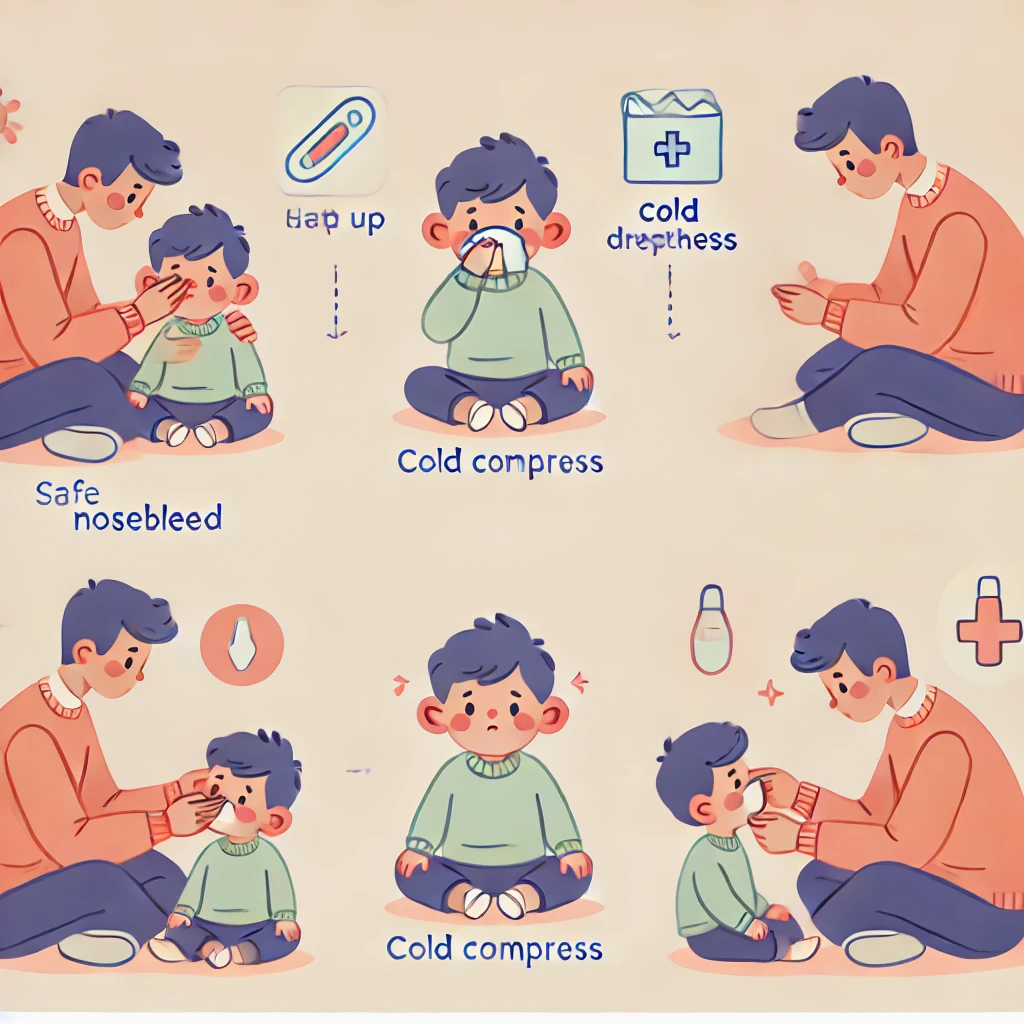
    1. Sit Up and Lean Forward
      Have the child sit down and lean slightly forward. This position prevents blood from flowing down the throat and keeps it from being swallowed. Remind the child to breathe through the mouth and stay calm.
    2. Pinch the Soft Part of the Nose
      Use the thumb and index finger to gently pinch the soft part of the nose, just below the bony ridge, and hold for 10-15 minutes. Applying pressure helps stop the bleeding by compressing the blood vessels. Be patient—checking before 10 minutes might restart the bleeding.
    3. Apply a Cold Compress
      Place a cold compress or ice pack on the bridge of the nose or the back of the neck. The cold helps constrict blood vessels and can assist in stopping the bleeding.
    4. Encourage Calm Breathing
      Keeping the child calm is essential. Anxiety or crying can increase blood pressure, which can make the bleeding worse.

    When to Seek Medical Attention

    Most nosebleeds are harmless and can be managed at home. However, you should contact a healthcare provider if:

    • The nosebleed lasts more than 20 minutes despite proper first aid.
    • The child experiences frequent nosebleeds.
    • There’s significant blood loss, or the child feels faint.
    • There’s suspicion of a foreign object in the nose or recent nasal injury.

    By following these steps, parents can ensure they’re using effective and safe methods to stop nosebleeds. Embracing gentle care and the right techniques will help both parent and child remain calm and comfortable, even when unexpected issues arise.


  • Why do we have a sense of humor and love telling jokes?

    Why do we have a sense of humor and love telling jokes?

    A long time ago, there was a young hunter named Amu. He lived in a big forest with his tribe. The tribe had to hunt animals and find food to live. But the forest was dangerous because there were wild animals and bad weather.

    Amu was strong, but he didn’t talk much, and he didn’t have many friends. One day, the tribe planned a big hunt to get enough food. Everyone was nervous and worried. Some people even started to argue because they were stressed.

    Amu wanted to help. He decided to tell jokes to make people laugh and feel better. At first, people didn’t pay much attention, but soon they started laughing. His jokes made everyone happier.

    On the day of the hunt, Amu and his friends went into the forest. Suddenly, they were surrounded by wild animals! Everyone was scared, but Amu stayed calm. He told a funny joke, and his friends started laughing even though they were afraid. The wild animals didn’t know what was happening, so they walked away. Amu and his friends were safe!

    After that, everyone in the tribe saw how Amu’s jokes helped them stay calm and safe. Amu became a very important person in the tribe, and everyone liked him. He had many friends and passed his funny stories to his children.

  • Why does our mouth feel dry when we’re nervous?

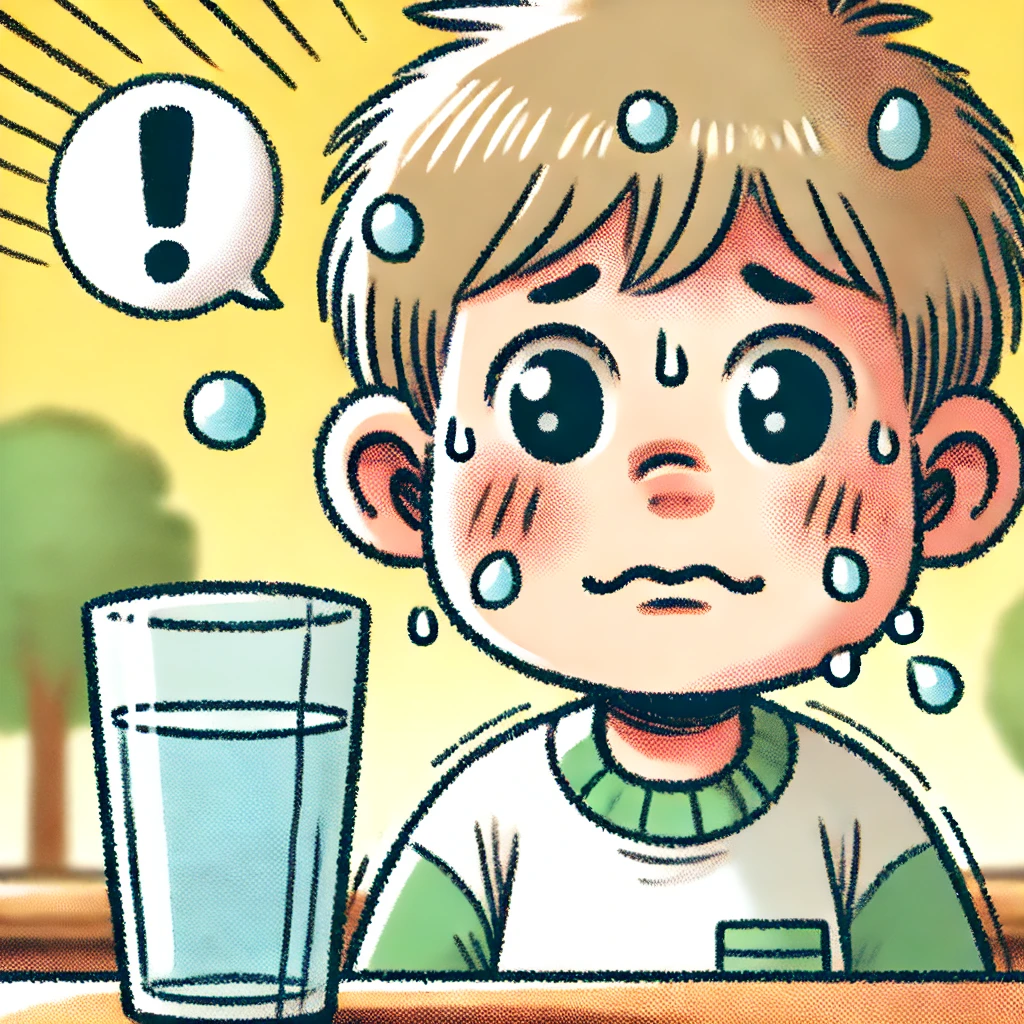
    Why does our mouth feel dry when we’re nervous?

    When we feel nervous or anxious, our body triggers a physiological process called the “stress response.” This response is mainly controlled by the sympathetic nervous system, part of the autonomic nervous system, which causes several changes in the body, such as increased heart rate, elevated blood pressure, and faster breathing.

    The physiology of saliva production:

    • Parasympathetic nervous system: When we’re calm and relaxed, the parasympathetic nervous system is dominant. It stimulates the salivary glands to produce a lot of thin, watery saliva, which helps with digestion and keeping the mouth moist.
    • Sympathetic nervous system: When the sympathetic nervous system is activated (in stress or anxiety), it causes the salivary glands to produce a smaller amount of thick, sticky saliva and inhibits the function of the parasympathetic system. This overall reduction in saliva is what leads to a dry mouth.

    Why do we get a dry mouth when nervous?

    1. Sympathetic nervous system activation: During stress, the sympathetic nervous system is activated, reducing the function of the salivary glands.
    2. Redistribution of blood flow: To prepare for a “fight or flight” response, the body redirects blood away from non-essential functions, like digestion and salivation, to more critical areas like muscles and the heart, further reducing saliva production.
    3. Norepinephrine’s effect: The sympathetic nervous system releases norepinephrine, which causes the cells in the salivary glands to produce less saliva.

    Examples:

    • Before a public speech: Imagine someone about to give a speech in front of a large audience. They feel their heart racing, palms sweating, and suddenly their mouth feels dry. This happens because the nervousness activates their sympathetic nervous system, which decreases saliva production, causing the need to sip water frequently.
    • Before an exam: A student feeling anxious before an exam may experience dry mouth, which can affect their focus. This is another example of how the body’s response to stress reduces saliva production.
    • In an emergency: In situations like a car accident, people often feel nervous and experience dry mouth. The sympathetic nervous system activates to help the body respond to the emergency, but as a side effect, it decreases saliva flow.

    Summary:

    Dry mouth during stress or nervousness is a common physiological reaction caused by the activation of the sympathetic nervous system, which inhibits saliva production. This mechanism is part of the body’s natural way to prepare for potential threats, but understanding it helps us manage the discomfort, for example by using deep breathing techniques or drinking water to stay hydrated.