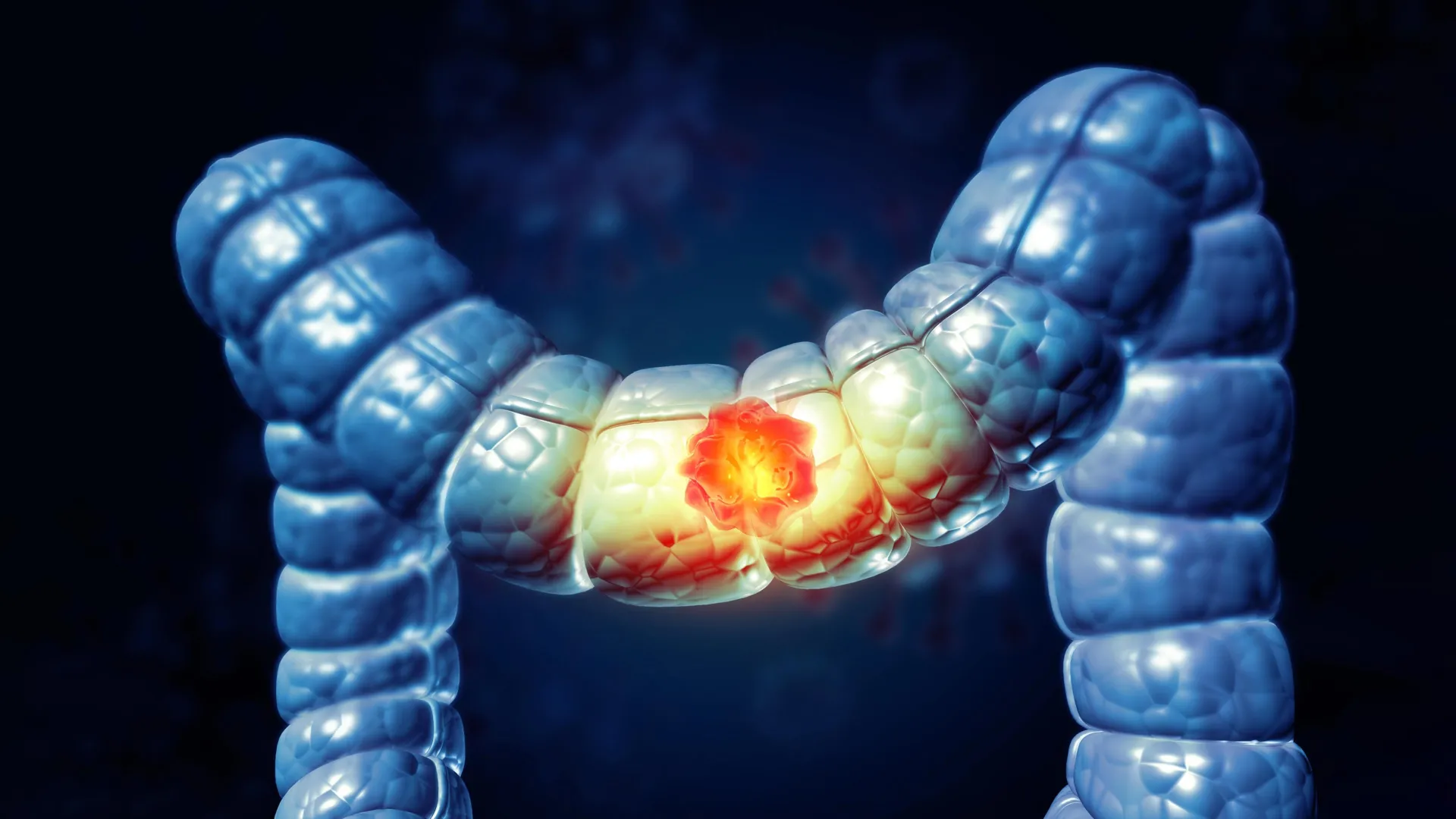
MIT biologists have found that colorectal cancer cells hijack a tissue-repair program regulated by the YAP1 protein to gain the ability to spread, and that a high-fat diet can activate this process by increasing ceramide production. In tumor organoids derived from colorectal cancer patients and in mouse models, the research team observed elevated activity of the biological program driven by YAP1 in metastatic cancer cells; mouse experiments showed that colon cancer cells in mice fed a high-fat diet had markedly higher YAP1 activity than those in the healthy-diet group. Further mechanistic studies showed that a high-fat diet stimulates ceramide synthases, and ceramide interferes with the regulatory mechanism that normally keeps YAP1 inactive, allowing YAP1 to enter the nucleus and activate the regenerative program exploited by cancer cells. Targeting YAP1 itself or genes involved in ceramide production by genetic means both significantly reduced the ability of colon cancer cells to form tumors in mouse livers. Using RNA sequencing data from colorectal cancer patients, the researchers found that the YAP1 program is more active in metastases.
Source:ScienceDaily · Read the original article