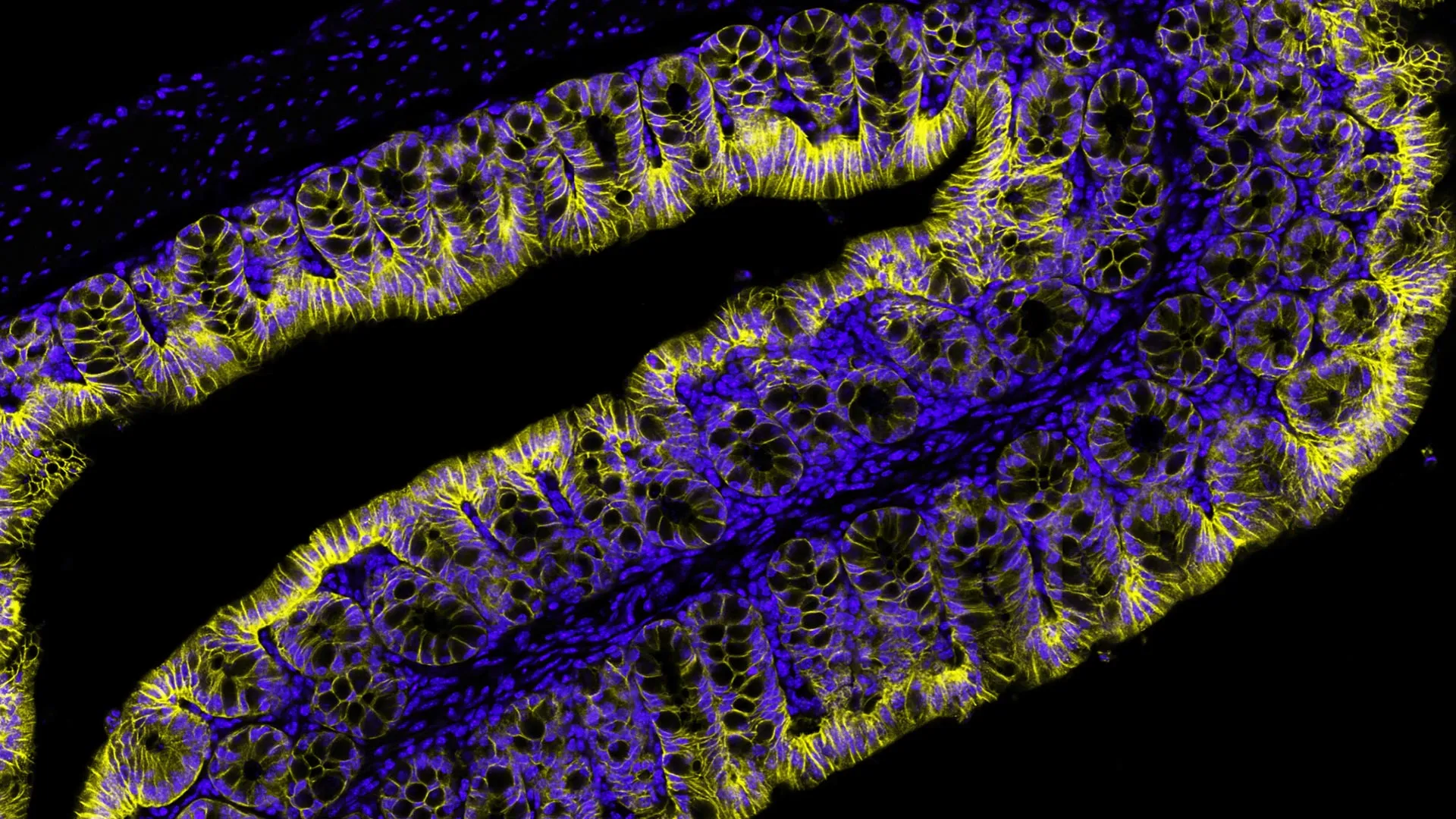
A research team at Rockefeller University has found that immunoglobulin A (IgA), commonly present in the gut, can suppress excessive proliferation of intestinal epithelial cells through the DMBT1 receptor on the surface of epithelial cells, thereby reducing the risk of colon tumor development. The study was published in Nature. Mice lacking IgA had more than twice as many colon tumors as normal mice, and this difference was reproduced in multiple colon cancer models. When IgA-deficient mice were given oral IgA, their elevated tumor risk disappeared. Mechanistically, in the presence of gut bacteria, DMBT1 promotes epithelial cell division, and binding of IgA to DMBT1 suppresses this signal; without IgA, DMBT1 signaling is unrestrained and cell division accelerates. The researchers suggest this may explain the higher colorectal cancer risk in people with IgA deficiency (about 1 in every 500 people in the United States), and propose a prevention approach targeting this pathway after polyp removal, as well as the idea of using probiotics to induce a protective IgA response. All of these results come from mouse experiments, and the authors explicitly state that it has not yet been proven that IgA supplementation or probiotics can prevent colon cancer in humans.
Source:ScienceDaily · Read the original article